
How to Ensure Your Home’s Electrical System is Up to Code
Have you ever wondered if your home’s electrical system is safe and up to date? Considering the significant 2025 Electrical Code Updates that will soon take effect, this is a question that many homeowners should be asking. These updates not only focus on safety but also ensure your home is prepared for future technology, like electric vehicles. In this blog post, I’ll walk you through essential steps to make sure your electrical system is compliant with the latest regulations.
Understanding the 2025 Electrical Code Updates
The 2025 NYC Electrical Code, effective December 21, 2025, is designed to enhance safety and efficiency in homes. Here’s what you need to know:
- Arc-Fault Circuit Interrupters (AFCIs): These are now mandatory in more residential areas to reduce fire risks.
- Grounding and Bonding Improvements: This will help improve system stability.
- Smart Home Readiness: With technology advancing, your home needs to be prepared for smart devices.
- EV Charging Circuits: Dedicated circuits for Level 2 chargers will be required in new homes.
Ensure Your Electrical System is Properly Installed
One of the fundamental aspects of a safe electrical system is having a properly installed service panel. This is crucial for distributing electricity safely and includes circuit breakers that shut off power during short circuits or overloads. If you notice flickering lights or tripped breakers, these might be signs of underlying issues.
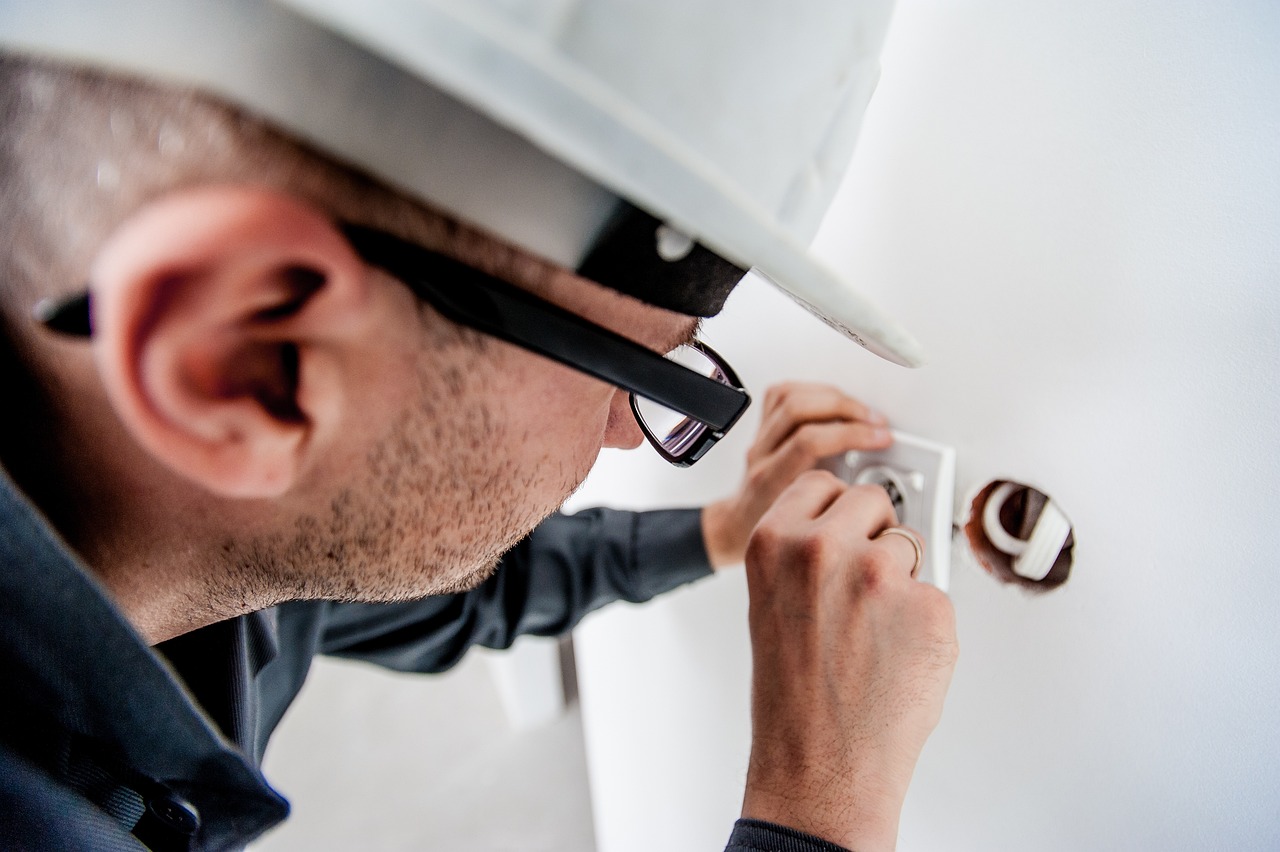
Image by Pixabay
Ground Fault Circuit Interrupter (GFCI) Installation
Another essential step in ensuring compliance with residential electrical safety standards is installing Ground Fault Circuit Interrupters (GFCIs) in areas like kitchens and bathrooms. These devices protect against electric shock by cutting off power when they sense a ground fault. Be sure to check your GFCI outlets regularly, as they should reset easily but may age over time.
Preparing Your Home for Electric Vehicles
As electric vehicle adoption continues to grow, having a dedicated circuit for EV charging is more necessary than ever. The code will require these circuits in new homes, emphasizing the importance of being EV-ready. A Level 2 charger can significantly reduce charging time, making it essential for any new builds.
Checklist for Home Electrical Code Compliance
Here’s a quick checklist to ensure your home electrical system is up to code:
- Is your service panel properly installed?
- Are GFCI and AFCI outlets installed in the required locations?
- Do you have a dedicated circuit for your EV charger?
- Is your grounding system up to code?
- Have you conducted a recent electrical safety inspection?
Signs You Need to Upgrade Your Electrical System
Recognizing the signs that your electrical system isn’t up to code can save you time and money. Some common indications include:
- Frequent tripping of circuit breakers
- Flickering lights
- Burning smells from outlets
- Using too many power strips
- Old wiring that hasn’t been updated in decades
Conclusion
Staying informed about electrical system updates and compliance is crucial for safety in your home. Regular inspections and upgrades can help ensure you meet NEC electrical requirements and create a safer living space. If you’re considering an upgrade or need help ensuring your electrical installations are up to code, don’t hesitate to reach out to JLR Enterprises for assistance!
FAQs
What is an electrical code compliance checklist? An electrical code compliance checklist is a document that outlines the necessary components and installations required for electrical systems to meet local codes.
How do I inspect home electrical wiring for code? Inspect your wiring by checking for proper installation and ensuring it meets safety standards. Consider hiring a licensed electrician for an in-depth inspection.
What are the electrical panel up to code requirements? Electrical panels must be installed according to NEC standards, which includes having the right size, circuit breakers, and grounding systems.
Where should GFCI outlets be installed? GFCIs must be installed in areas where water is present, like bathrooms and kitchens.
What are the arc fault circuit interrupter requirements in homes? AFCIs are required in living areas, hallways, and any room where electrical equipment is used to reduce fire risks.
What are common signs your home electrical system is not up to code? Signs include frequent circuit breaker trips, outdated wiring, and inadequate grounding measures.
For more information or to schedule an electrical safety inspection, contact JLR Enterprises today!